
Introduction
Armor in Escape from Tarkov isn’t just about protection—it’s about survival. The right armor can save your life in PvP, let you tank AI shots during quests, or absorb a clutch bullet while extracting. But not all armor is created equal. Between durability, armor class, material type, and mobility impact, the decision of what to wear is more complex than just “pick the tankiest vest.” This comprehensive guide will help you choose armor based on your raid objective, budget, and expected threats. Whether you’re a rat, a chad, or something in between, understanding how armor works—and when to wear which kind—will keep you alive far more often than raw aim alone.

Armor Class vs Durability
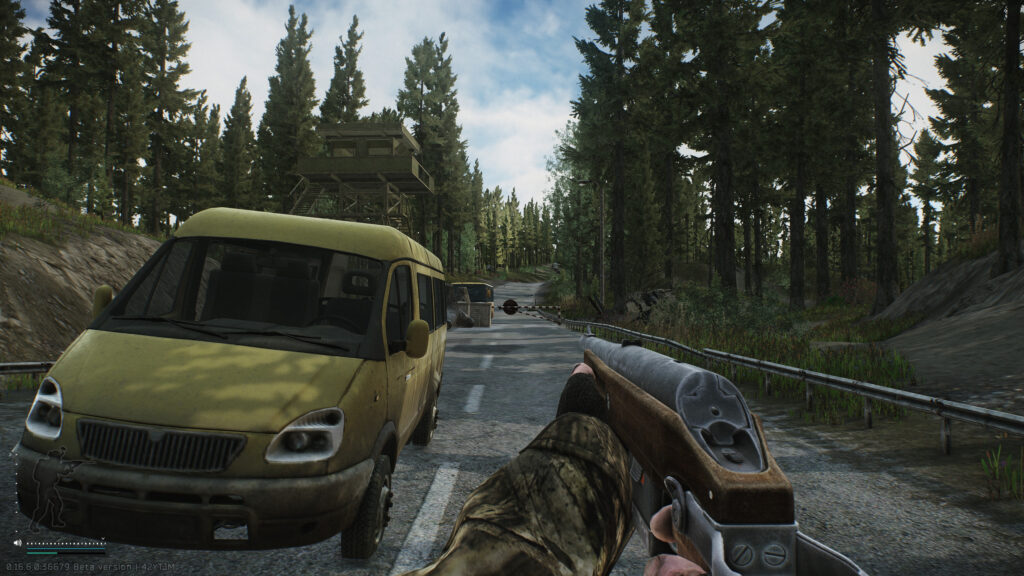
Armor class is the most important number to consider when choosing protection. It ranges from 1 to 6, with each level offering more resistance to penetration. Class 3 can stop pistol rounds; class 4 stops mid-tier rifle ammo like M855A1; class 5 is effective against most common threats, and class 6 is rare but tanks high-end AP. Durability determines how long armor can absorb hits before becoming useless. A Class 5 vest at 20/80 durability is worse than a full Class 4. Here’s a table of common armor types and their penetration protection:
| Class | Common Armor | Effectiveness |
|---|---|---|
| 3 | PACA, 6B2 | Stops pistols, some buckshot |
| 4 | 6B23-1, Trooper | Stops M855, BT |
| 5 | Korund, Killa | Stops M61, Igolnik partially |
| 6 | Hexgrid, Slick | Max protection, low durability |
Material Types and Repair Costs
Armor is made of different materials that affect how it absorbs damage and how well it can be repaired. Ceramic plates are cheap but degrade quickly. Aramid and UHMWPE are lightweight and repair well, but don’t absorb multiple hits. Titanium and steel are tanky but heavy and expensive to fix. Always factor repair cost into your decision—some armors lose value rapidly with each hit. For budget runs, stick with affordable Class 4 armors that repair efficiently. For endgame raids, use Slick or Hexgrid with caution—once damaged, repairs are costly and often not worth the expense. Learn the strengths of each material and plan your engagements accordingly. Don’t expect ceramic to protect against back-to-back engagements—it’s often a one-fight solution.
Choosing Armor by Raid Type
Your armor choice should reflect your goals. Farming AI on Woods? Use light Class 3 gear with high mobility. Raiding Labs or Reserve for PvP? Bring full Class 5 or 6 protection. For quests that involve high travel or looting, balance protection with stamina preservation. Don’t wear Fort armor to sprint across Customs. Here’s a basic recommendation list:
- Low Risk/Scav Runs: PACA, Zhuk-3, Gzhel
- Mid-Tier PvE: 6B23-1, 6B13
- PvP Focus: Slick, Hexgrid, Killa
Conclusion
Armor in Tarkov is a science and a strategy. By understanding the mechanics behind class, material, and durability, you equip yourself not just with gear—but with knowledge that can save your life. Don’t just copy streamers or wear what looks cool. Wear what works for your raid. Stay mobile, stay protected, and know when to risk heavy armor or stay light and fast. With the right vest, you’ll shrug off rounds, win fights, and make it out alive more often than not. Choose smart—and you’ll live smart.
Home