
Inventory management separates profitable raids from wasted opportunities. Limited space forces constant value decisions throughout runs. This guide teaches inventory optimization for maximum extraction value.
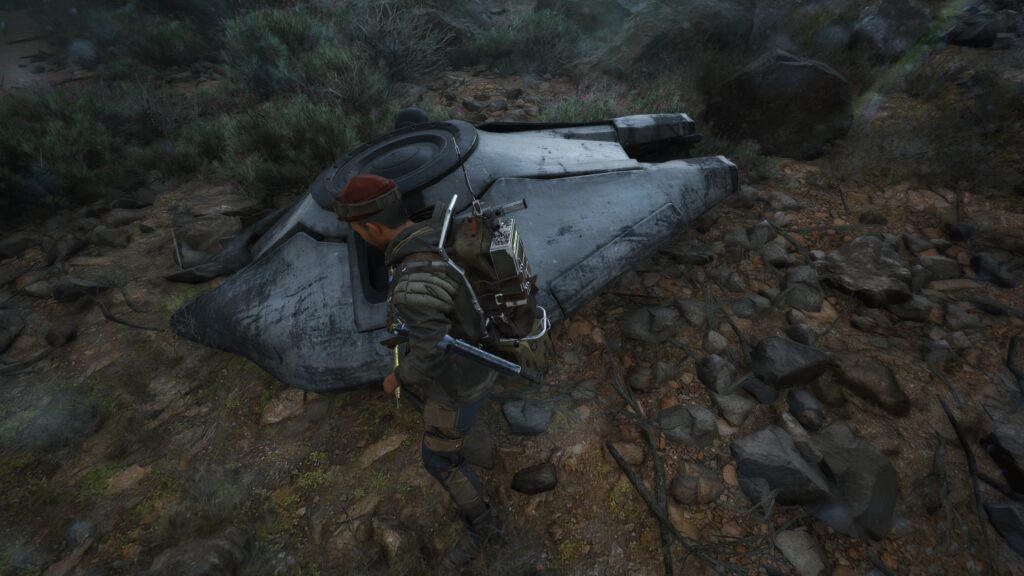
Inventory Slot Economics
Every inventory slot represents potential value that must be maximized. The table below shows slot allocation strategies by raid phase:
| Phase | Weapons | Ammo | Medical | Loot Space |
|---|---|---|---|---|
| Deployment | 2 slots | 3 slots | 3 slots | 0 slots |
| Early Raid | 2 slots | 3 slots | 2 slots | 1 slot |
| Mid Raid | 2 slots | 2 slots | 2 slots | 2 slots |
| Extraction | 2 slots | 1 slot | 1 slot | 4 slots |
Essential Slot Reservation
Certain slots must remain reserved regardless of loot quality. Medical supplies always deserve minimum two slots always. Emergency ammunition prevents weapon uselessness completely. One utility slot for grenades or tools necessary. Never fill inventory completely leaving no flexibility. Reserved slots enable adaptive responses to opportunities. Full inflexible inventories cause missed legendary finds.
Value Density Calculations

Smart looting requires mental value-per-slot calculations constantly. Divide item value by slots consumed for comparison. Large items must justify space with proportional value. Stackable items effectively reduce per-unit slot costs. Quest items often worth slot investment despite zero vendor value. Compare potential loot against already carried items. Upgrade carries only when new items exceed current value.
Container Organization Systems
Organized inventories enable faster decisions during pressure. Group ammunition types together for quick tracking. Stack medical items in dedicated inventory section. Keep weapons accessible for quick dropping if needed. Junk items should remain easily identifiable for dropping. Consistent organization becomes automatic through repetition. Chaotic inventories cause costly mistakes during combat.
Mid-Raid Inventory Management
Continuous inventory adjustment maximizes raid potential effectively. Review inventory after every significant loot acquisition. Drop lowest value items when finding upgrades. Consolidate partial stacks to free slots when possible. Adjust medical allocation based on current health status. Ammunition needs decrease as raid progresses safely. Active management prevents inventory stagnation completely.
Extraction Phase Priorities

Final raid phase demands aggressive inventory optimization. Convert all possible slots to loot value now. Reduce ammunition to minimum survival amounts. Keep single medkit dropping remainder if full. Weapons remain non-negotiable regardless of space pressure. Last-minute finds should replace lowest value carries. Extraction inventory determines raid profitability finally.
Common Inventory Mistakes
Avoid these frequent errors that waste valuable space. Hoarding junk hoping prices fluctuate upward. Carrying excessive ammunition for single weapons. Multiple partial stacks of identical items. Forgetting to drop items after upgrading carries. Emotional attachment to items that killed you. Not checking inventory before engaging enemies. Poor inventory habits compound across multiple raids.