
As you weave through the cosmos, ‘The Sound of the Stars: Behind the Music of Destiny 2’ is your guide, much like a map to hidden treasures in the stars. You’re about to embark on an auditory journey that uncovers the intricate layers and celestial inspirations behind one of the most iconic video game soundtracks. With each note, you’ll feel the emotion and craftsmanship that went into creating the music that scores your guardians’ adventures. From the poetic underpinnings to the grand orchestral performances, you’re drawn into the heart of Destiny 2’s universe. Get ready to explore the harmony of the spheres that not only defines the game’s atmosphere but also resonates with fans across the world.
Composing the Cosmos
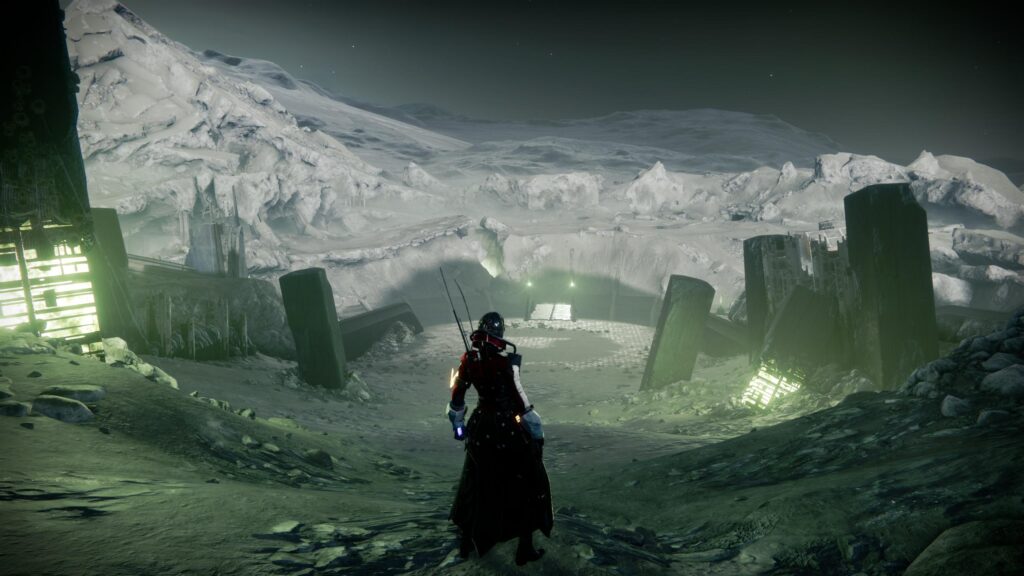
How did the composers translate the celestial grandeur of the cosmos into the evocative soundtrack you’ve come to love in Destiny 2? Martin O’Donnell, alongside Michael Salvatori, embarked on an ambitious journey starting in early 2011 to encapsulate the vastness of the solar system in a sonic experience. They envisioned each track as a reflection of the planets, adhering to ancient astrological beliefs, which you’ve heard while navigating through the game’s universe.
The album’s movements, totaling forty-eight minutes, follow the classical planetary order. This path leads to “The Hope,” the eighth track that not only represents Earth but also features contributions from the legendary Paul McCartney. It’s the culmination of a musical odyssey that resonates with the heart of Destiny 2.
Orchestrating Emotion
Your journey through Destiny 2’s universe isn’t just guided by visuals; the album’s orchestration directly taps into your emotions, seamlessly continuing the celestial narrative established by the planets’ musical portraits. As you voyage from one movement to the next, the emotional storytelling deepens, each track meticulously woven to evoke the essence of its corresponding celestial body. You’re not just listening to music; you’re embarking on an auditory odyssey that resonates with your very soul.
Instrumentation choices play a pivotal role in this. The use of a grand 106-piece orchestra, alongside choirs, creates a soundscape that’s both vast and intimate. When a delicate string section ushers in a sense of wonder, or brass swells to signify triumph, it’s these careful selections that stir your innermost feelings. You’re enveloped in a world where every note matters, each harmony crafted to touch a chord within you.
Behind this emotive force is a collaborative process steeped in creativity and passion. Martin O’Donnell and Michael Salvatori didn’t just compose music; they sculpted a narrative in harmony. Their partnership, enriched by Malcolm Guite’s poetic verses, yields a symphony where emotion is paramount—a testament to the power of collaboration in crafting an unforgettable musical experience.
Sound Design Mastery
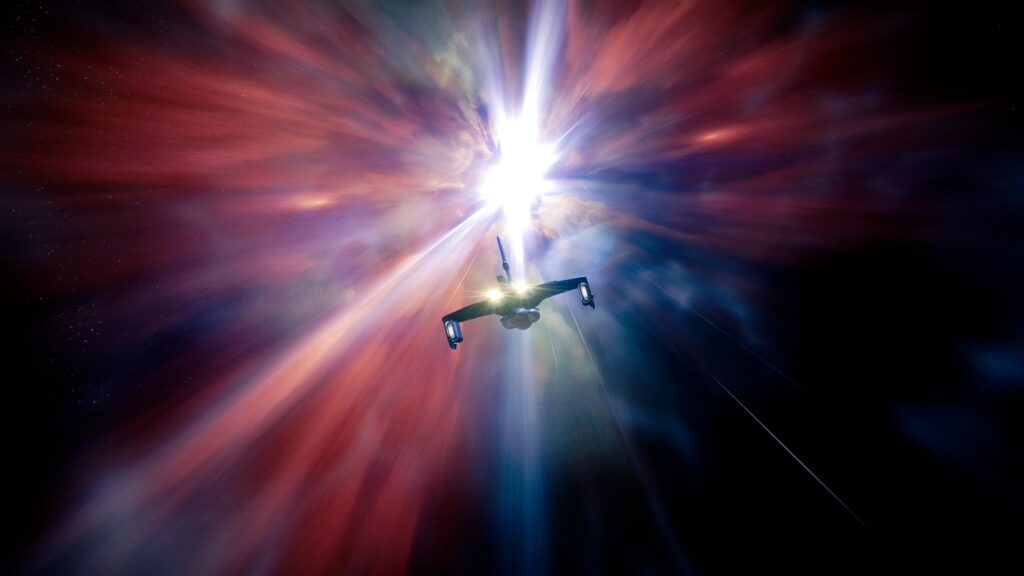
Amidst the orchestral waves and choral crescendos, you’ll discover the mastery in sound design that brings Destiny 2’s music to life. It’s not just about the grandness of the music; it’s the sonic storytelling that immerses you into the Destiny universe. Each note and sound effect is meticulously crafted, carrying you through the cosmos with a sense of wonder and anticipation.
The game’s soundscape is a result of cutting-edge technological innovations. Using the latest audio tech, the sound designers sculpted aural landscapes that envelop you in the game’s intricate worlds. You’re not just playing a game; you’re part of an interactive symphony where every bullet, footstep, and alien cry plays a part in the grand musical narrative.
This auditory experience didn’t come about by chance. It’s the fruit of a collaborative creative process involving composers, sound designers, and musicians. They’ve toiled together, sharing visions and revisions, to ensure that the final product isn’t just music but an emotional journey. Every time you embark on a mission or explore new planets, remember that it’s this teamwork, this blend of artistry and technology, that crafts the sound you hear—the sound of stars.
Musical Motifs and Themes
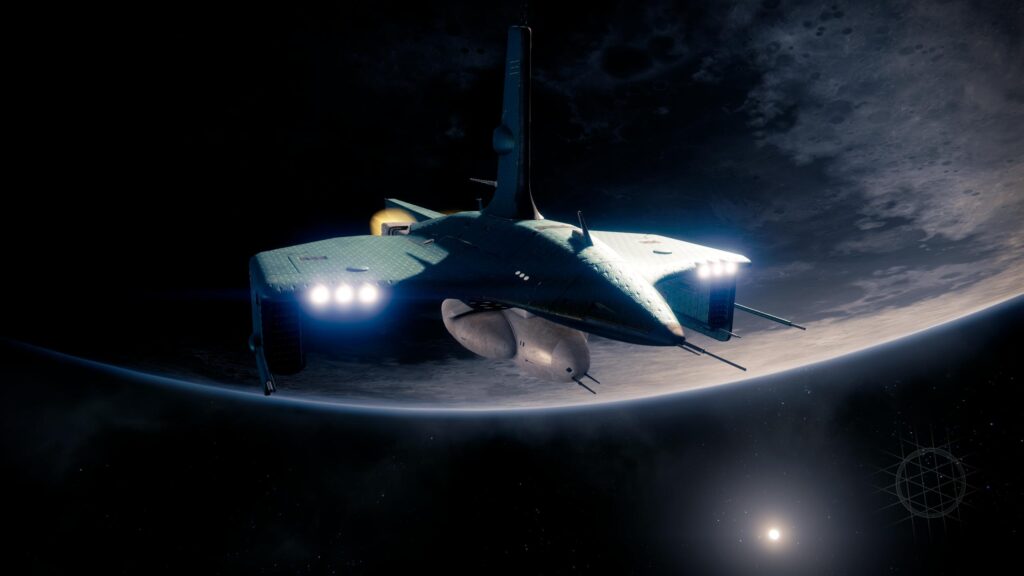
As you delve into Destiny 2’s soundscapes, you’ll recognize recurring musical motifs and themes that serve as auditory signatures for the game’s characters and locations. These elements are not just aural embellishments; they are core to the game’s harmonic storytelling. Here’s how they contribute to your experience:
- Establishing Emotional Connections: The motifs evoke specific feelings, weaving a rich tapestry of emotions tied to the narrative and gameplay. For instance, the somber tones of Saturn’s theme might resonate with a sense of mystery and foreboding, aligning with the planet’s corrupted state in the game’s lore.
- Enhancing Musical Symbolism: Each planet’s track is infused with musical symbolism, reflecting its astrological significance and narrative role. Mercury’s quick-paced rhythms might mirror its swift orbit and the agile nature of the activities it hosts in-game.
- Fostering Collaborative Creativity: The compositions are the result of collaborative creativity, as seen with contributions from artists like Paul McCartney. This melding of creative minds ensures a rich and diverse auditory palette that captivates and immerses you into the Destiny universe.
Through these motifs and themes, Destiny 2’s music becomes a character in its own right, shaping your journey through its celestial sounds.
The Live Performance Experience
You’ll find that every piece of Destiny 2’s ‘Music of the Spheres’ was crafted with a live audience in mind, showcasing the power and emotion a 106-piece orchestra and choirs can bring to the game’s universe. When these musicians took the stage at Video Games Live 2013, they weren’t just playing notes; they were creating captivating performances that engaged audiences in an experience like no other. The live rendition of ‘The Union’ wasn’t just heard; it was felt, wrapping listeners in immersive atmospheres that resonated with the celestial themes of the game.
The intention was always clear: to have fans live through the music even before Destiny’s release. This pre-launch performance would have bridged the gap between the digital and the real, allowing the celestial influences and poetry associated with the tracks to envelop the audience in a way that speakers and headphones simply can’t replicate. It’s one thing to hear the orchestral swell in your living room, but quite another to be part of the thrumming energy of a live concert, surrounded by fellow guardians of the game’s universe, all lost in the transcendent sound of the stars.
Frequently Asked Questions
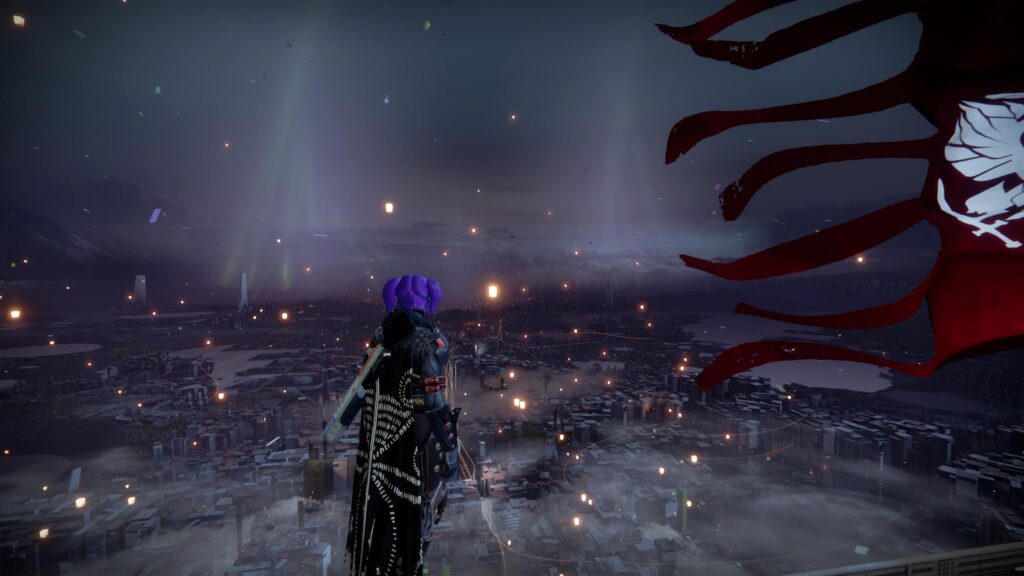
Who Does the Music for Destiny 2?
You’re probably wondering who’s behind Destiny 2’s audio. Well, it’s an orchestral evolution of sound, a collaborative composition crafted by the talented Martin O’Donnell and Michael Salvatori. They’ve been with the project since its inception, and even Sir Paul McCartney lent his musical genius to the mix. Recorded at the iconic Abbey Road Studios, their work serves as an epic prequel to the thrilling universe of Destiny.
Does Michael Salvatori Still Work for Bungie?
You’re wondering if Michael Salvatori’s still at Bungie, crafting those iconic soundscapes, right? Well, Salvatori’s departure marked the end of an era, but his audio legacy echoes through the halls of Bungie. He’s moved on, leaving behind a rich tapestry of melodies that continue to shape the auditory world of Destiny. The studio’s soundscapes, once infused with his talent, now evolve under new influences.
What Games Did Michael Salvatori Work On?
You might’ve heard Michael Salvatori’s work if you’ve played the Halo series or the Destiny franchise, including expansions like ‘The Taken King’ and ‘Forsaken.’ His collaborative process with Martin O’Donnell shaped iconic soundtracks, blending Salvatori’s influences with advanced audio technology. Together, they created immersive audio experiences that have resonated with gamers worldwide, showcasing Salvatori’s versatility and commitment to pushing the boundaries of game music.
Who Composed Deep Stone Lullaby?
You might think ‘Deep Stone Lullaby’ sounds too ethereal to have earthly origins, but it was actually composed by Martin O’Donnell, alongside Michael Salvatori. They infused the track with a blend of musical emotion and space ambience, reflecting Jupiter’s celestial influence. This lullaby’s origins are rooted in meticulous collaboration, recorded at the iconic Abbey Road Studios, and it’s become a standout piece for its soothing yet expansive cosmic vibe.
Conclusion
You’ve journeyed through the cosmic soundscape of ‘Music of the Spheres,’ where every note resonates with the celestial dance of planets. It’s not just music; it’s an odyssey that’s captivated millions. Consider this: over 50% of Destiny 2 players say the score influenced their gaming experience profoundly. Your adventure through the stars isn’t just about gameplay—it’s about how the universe’s symphony elevates your journey to something truly otherworldly. Keep listening; the stars have much more to sing.
Stay sharp, and see you on the blog!